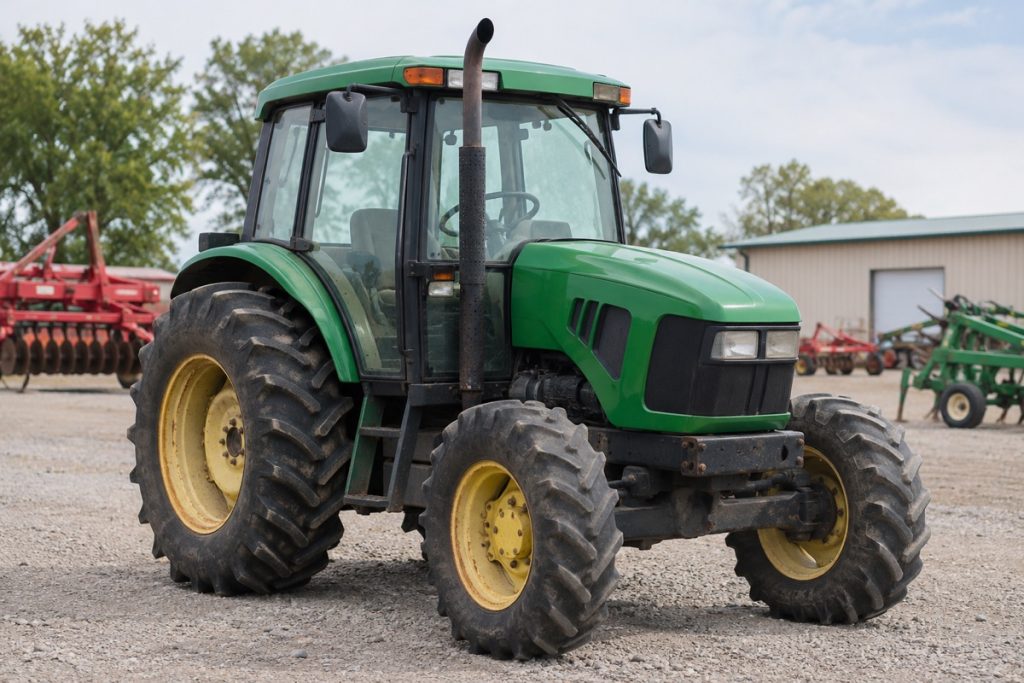
An auction win is only the first part of the transaction. When you need to ship a tractor from auction, the clock often starts immediately: the auction yard may have limited pickup hours, storage charges can begin after a stated release period, and the machine may not be ready to load without notice. A transportation plan built around the actual tractor, auction release process, and pickup site helps reduce common surprises.
This guide focuses on agricultural tractors purchased at U.S. auctions, including compact tractors, row-crop tractors, and larger articulated models. The same planning principles can apply to some industrial tractors, but trailer selection and permits may differ.
Confirm Auction Release Before Scheduling Pickup
You can request a preliminary transport estimate while a tractor is still listed or its release is pending. Before dispatching a truck for pickup, confirm payment, release to you or your authorized representative, and the yard’s loading arrangements. A paid invoice alone is not always enough for a carrier to pick up equipment. Many auction facilities require a buyer number, paid-in-full status, release form, loading authorization, or specific pickup appointment.
Requirements vary by auction and facility. For example, Ritchie Bros.’ Las Vegas pickup guidance calls for full payment and a release ticket; confirm your own location’s instructions and do not assume loading assistance is guaranteed.
Ask the auction contact what the driver will need at the gate. Confirm the pickup address, receiving hours, contact name, and whether the facility requires an appointment. Also ask when storage fees begin and whether the auction can load the tractor onto a trailer.
That final question matters more than it may seem. A tractor that starts, steers, and brakes can often be driven onto an appropriate trailer under the loading operator’s direction. A non-running tractor, a machine with flat tires, or one blocked in a tight auction row may require different planning. Do not assume a carrier can solve access or loading problems after arriving.
Get the Tractor Details That Determine the Trailer
Auction listings can be helpful, but they are not always complete enough to plan a move. Request the actual dimensions and condition from the auction yard whenever possible. A practical quote starts with the tractor’s overall length, width, height, verified transport weight in its shipping configuration, and current condition.
Pay particular attention to width. Large rear tires, dual wheels, wheel weights, front loaders, mowers, three-point attachments, and extended implements can change the shipment from a straightforward legal-width move into an overwidth load requiring permits and route review.
For a useful transport quote, provide:
- Year, make, model, and serial number if available
- Overall length, width, height, and weight
- Tire condition and whether the tractor rolls, steers, brakes, and starts
- Attached equipment, including loaders, buckets, duals, weights, or implements
- Pickup and delivery ZIP codes, plus site contact information
- Auction release status, pickup deadline, and loading availability
Photos from all sides are especially valuable. They help a coordinator and the assigned carrier identify clearance concerns, attachment dimensions, and whether a standard trailer is likely to work. Include close photos of damage, loose panels, leaking fluids, or nonstandard accessories.
Tractor Width Is Often the Deciding Factor
A compact tractor with a bucket may fit comfortably on a standard flatbed. A large farm tractor with duals may need a suitable trailer and deck support, permits, escorts in some situations, or removable attachments prepared by qualified personnel before pickup. It depends on the route, the equipment dimensions, and state permit requirements.
Do not remove wheels, loaders, or attachments solely to make a freight quote look simpler unless you have a safe, documented plan for the work and for reassembly. The transportation carrier secures the load for highway transport; the shipper or auction operator should clearly identify what is included, operable, and ready for loading.
Choose the Trailer Around the Machine and Sites
Open-deck equipment can be suitable for auction tractor transportation. The specific trailer depends on dimensions, weight, ground clearance, loading method, and route restrictions.
A standard flatbed can be appropriate for many tractors that are within legal dimensions and can be safely loaded. Step decks provide more vertical clearance for taller machinery. Lowboy or RGN trailers may be considered for heavier or taller tractors, particularly when deck height is a concern. An RGN, or removable gooseneck trailer, can provide a lower loading angle and deck height, but it is not automatically the best choice for every tractor.
The loading location can rule out an otherwise suitable trailer. Some auction yards have ramps, loading docks, forklifts, or staff who regularly load equipment. Others provide only a gravel lot, narrow gates, or limited room for a tractor-trailer to maneuver. Delivery matters too. A rural property may have soft ground, low tree branches, narrow bridges, or a driveway that cannot accommodate a large trailer.
A freight broker coordinates the shipment and helps match the load details to an independent carrier and trailer type. The carrier evaluates whether the actual equipment, loading conditions, route, and timing work for its truck and trailer. The auction yard or loading operator handles site-specific release and loading arrangements. Clear information from the buyer keeps these roles aligned.
Plan for Oversize Requirements Before Pickup Day
Federal and state rules affect how larger tractors move on public roads. The Federal Motor Carrier Safety Administration sets broad commercial vehicle safety requirements, while individual states issue oversize or overweight permits and establish route-specific conditions. Requirements can change by state, date, route, dimensions, and load configuration.
If the tractor is over legal width, height, length, or weight, the carrier may need permits before pickup. Permit processing, route review, restricted travel periods, and escort requirements can affect scheduling. This is why exact dimensions should be confirmed early, not estimated from a product brochure.
Height deserves careful attention. The listed tractor height may not reflect an exhaust stack, cab beacon, antenna, loader position, or the loaded height on a particular trailer. Likewise, a machine’s listed weight may exclude wheel weights, attachments, fuel, or accessories. Small differences can matter when planning a legal and safe move.
Permit eligibility can depend on whether a load is reducible and on each jurisdiction’s rules; an assembled tractor with removable attachments is not automatically eligible. Use FHWA’s state permit contacts and the applicable state DOT guidance to confirm the planned configuration and route. The carrier must also apply the relevant FMCSA cargo securement requirements and the manufacturer’s transport instructions for the exact tractor and attachments.
Avoid asking a carrier to load first and resolve permits later. A properly planned oversize shipment is coordinated before the truck arrives, with the actual load configuration understood in advance.
Inspect the Tractor Before It Leaves the Auction Yard
Auction condition reports are useful, but they do not replace a pickup inspection. Before release, collect photos showing the tractor’s overall condition, hour meter if applicable, tires, glass, body panels, loader arms, hydraulic lines, and any included attachments. Keep the auction listing, invoice, release paperwork, and photos together.
At pickup, the carrier should document visible condition as part of the shipment process. If the tractor has pre-existing damage or does not operate normally, disclose that before dispatch. A carrier needs accurate information to plan loading and to record exceptions appropriately.
There is a difference between cosmetic auction wear and a condition issue that changes transportation needs. A cracked light lens may simply be noted. A hydraulic leak, weak brakes, seized wheel, or detached implement may require the pickup plan to change. Waiting until the driver arrives can create delays, layover exposure, or a failed pickup.
Confirm What Is Included in the Sale
Auction lots can be confusing, particularly when similar tractors and attachments are parked together. Confirm whether the sale includes the loader, bucket, ballast box, forks, mower, cab accessories, manuals, or spare parts. If loose items travel with the tractor, list them in advance and let the coordinator know their approximate dimensions and weight.
Loose items cannot simply be placed wherever there is open deck space. Their transportability, packaging, and securement needs must be evaluated separately. In some cases, it may be more practical to ship attachments as a separate item or have them prepared by the auction yard.
Build Realistic Timing Into the Purchase
Auction pickup windows are often shorter than transportation buyers expect. Carrier availability depends on the lane, equipment type, load size, current demand, pickup access, and whether permits are needed. A remote auction yard or an oversize tractor may take more coordination than a legal-size machine near a major freight market.
Give the coordinator the auction’s final removal date, but also state whether there is any flexibility. If storage begins after a certain date, include the daily fee if known. That allows the transportation plan to account for the real cost of waiting without assuming a guaranteed pickup date.
Be ready to respond quickly once a carrier is arranged. The auction may need the driver’s name, truck details, insurance documentation, or an appointment request before allowing entry. Delays in providing release authorization can cause a missed loading window even when the truck is available.
Request a Quote With the Details That Matter
A useful quote request is not just “tractor from Iowa to Texas.” Include the auction name, pickup and delivery ZIP codes, model, dimensions, weight, operability, attachments, release deadline, and loading information. Mention any uncertainty instead of guessing. A coordinator can ask the right follow-up questions before an independent carrier commits to the load.
Fargo Express coordinates nationwide open-deck and oversized transportation with independent carriers. For an auction tractor shipment, gather accurate equipment details and share the release status when requesting pricing. Clearly label any preliminary estimate; final pickup arrangements depend on confirmed release, loading access, carrier availability, and applicable permits.
The best time to solve a transportation problem is while the tractor is still an auction listing, not when storage fees have started and a driver is waiting at the gate.
Explore Oversized Transportation or Interstate Ground Delivery, then request a tractor shipping quote with your auction and equipment details.